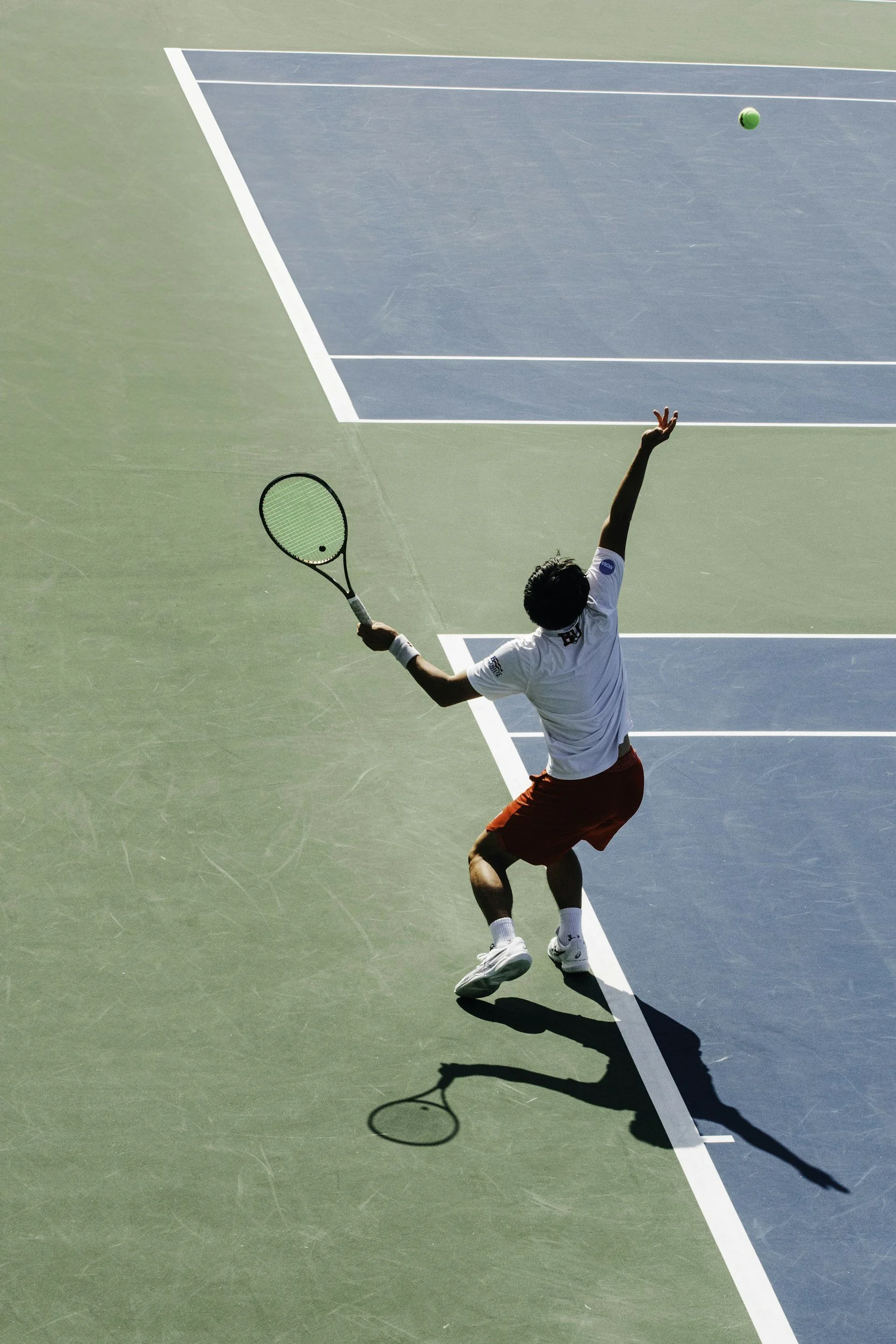
Lateral Epicondylitis (Tennis Elbow)
Lateral elbow tendinopathy most commonly involves the extensor carpi radialis brevis origin. Despite the name “epicondylitis,” chronic cases are primarily a tendinopathy rather than simple inflammation.
Common symptoms:
Pain over the outside of the elbow
Pain with gripping or resisted wrist extension
Reduced grip tolerance
Symptoms with racquet sports, lifting, or repetitive work
How it is evaluated:
Diagnosis is usually clinical. Imaging is reserved for atypical symptoms, or when surgical treatment is being considered.
Non-operative treatment:
Non-operative treatment for tennis elbow is the standard of care and typically includes activity and load modification, a progressive physical therapy program focused on wrist extensor and forearm strengthening, and medications or bracing when appropriate. Orthobiologic treatments such as platelet-rich plasma (PRP) and extracorporeal shockwave therapy (ESWT) may be considered for persistent tennis elbow that has not improved with an appropriate rehabilitation program, with the goal of reducing pain and supporting tendon recovery. Most patients improve without surgery, although recovery can be gradual and symptoms may take several months to fully resolve.
If surgery is selected:
Surgical extensor carpi radialis brevis (ECRB) debridement/repair is uncommon and reserved for persistent function-limiting symptoms after a sustained nonsurgical program.
Recovery expectations:
Recovery after ECRB debridement is gradual, with early emphasis on protecting the surgical site and restoring elbow and wrist motion, followed by progressive strengthening and tendon loading. Return to heavier lifting, racquet sports, and other high-demand activities typically occurs over several months as pain improves and grip strength and function recover.
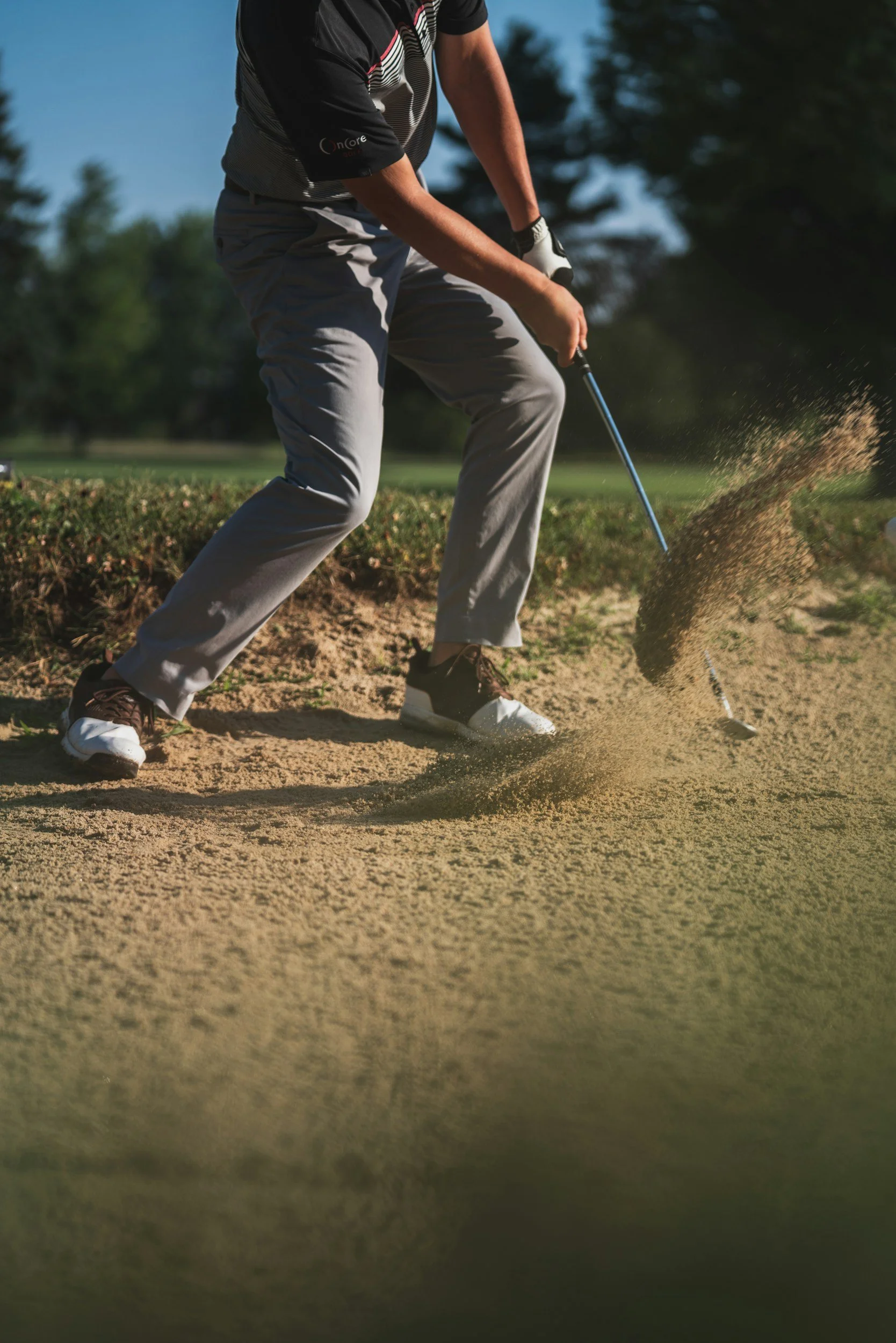
Medial Epicondylitis (Golfer’s Elbow)
Medial elbow tendinopathy involves the common flexor-pronator tendon origin and may coexist with ulnar-nerve or medial collateral ligament symptoms.
Common symptoms:
Pain over the inside of the elbow
Pain with gripping, wrist flexion, or forearm pronation
Tenderness at the flexor-pronator origin
Numbness/tingling in the ring or small finger suggests ulnar-nerve involvement
How it is evaluated:
Diagnosis is clinical with attention to the ulnar nerve and medial collateral ligament. Imaging is selective for atypical or refractory cases.
Non-operative treatment:
Treatment for medial epicondylitis typically includes activity and load modification, a progressive rehabilitation program focused on forearm flexor-pronator strengthening, and medications or bracing when appropriate. For persistent symptoms, orthobiologic treatments such as platelet-rich plasma (PRP) and extracorporeal shockwave therapy (ESWT) may also be considered.
If surgery is selected:
Surgery is uncommon and considered after prolonged refractory symptoms, with treatment of associated ulnar-nerve or ligament pathology when present.
Recovery expectations:
Most patients improve without surgery, although tendon recovery is gradual and symptoms may take several months to fully resolve. Return to golf, throwing, lifting, and other higher-demand activities is progressed as pain improves and forearm strength and function are restored.
Distal Biceps Rupture
The distal biceps tendon attaches to the radius and is an important generator of forearm supination and elbow-flexion strength. Complete tears often occur during a sudden eccentric load.
Common symptoms:
A pop in the front of the elbow
Bruising and swelling
A change in the contour of the biceps at the elbow
Weakness, especially with turning the palm upward
How it is evaluated:
Diagnosis is based on history and examination, including tendon palpation/hook testing. Ultrasound or MRI can clarify partial tears, retraction or chronic injury.
Non-operative treatment:
Patients who have less physical demands may choose nonoperative care after counseling about expected strength/endurance loss. Active patients with an acute complete rupture commonly consider repair because untreated tears can produce meaningful supination weakness and fatigue.
If surgery is selected:
Acute repair reattaches the tendon to the radius. Chronic retracted tears may still be directly repairable or may require graft reconstruction depending on tendon excursion and tissue quality.
Recovery expectations:
Recovery after distal biceps tendon repair is gradual, with early protection of the repair and restoration of elbow motion followed by progressive strengthening. Return to heavy lifting, sports, and higher-demand activities typically occurs over several months as the tendon heals and strength and function are restored.

Distal Triceps Rupture
The distal triceps tendon attaches to the olecranon and powers elbow extension. Rupture may occur with a fall onto an outstretched arm or forceful eccentric loading.
Common symptoms:
Posterior elbow pain and bruising
Weakness with pushing or elbow extension
A palpable defect in complete tears
Difficulty with push-ups, pressing or rising from a chair
How it is evaluated:
Examination assesses the extensor mechanism. X-rays may show an avulsion fleck; ultrasound or MRI defines partial versus complete tearing and retraction.
Non-operative treatment:
Selected partial tears with preserved extension strength can be treated with protection followed by progressive rehabilitation. Complete or high-grade symptomatic tears in active patients generally prompt surgical discussion.
If surgery is selected:
Repair reattaches the tendon to the olecranon. Chronic tears or poor tissue may require reconstruction/augmentation. Rehabilitation initially protects elbow flexion and active extension loading.
Recovery expectations:
Recovery after triceps tendon repair includes early protection of the repair and restoration of elbow motion followed by progressive strengthening. Return to heavy lifting, pushing activities, and sports typically occurs over several months as the tendon heals and strength and function are restored.